The publication
About Brick & Bearing
Buildings become easier to read when materials and construction are considered alongside style. Brick & Bearing offers an independent introduction to Canadian architecture through four starting points: fossil-bearing stone, railway hotel design, an experimental housing complex and a surviving elevator row. Each article follows documented features rather than imagined visits or unsupported claims about how a place feels. Heritage descriptions, architects’ records and collection entries supply the evidence. The aim is to help readers notice useful details in a photograph, drawing or streetscape, then follow the linked sources to understand how those details belong to a building’s history.
Read the subject through its sources
Brick & Bearing reads Canadian buildings through their materials, structure and setting. Explore stone, railway hotels, modular housing and prairie elevators with concise architectural essays grounded in heritage records, museum collections and research, connecting close observation with larger building histories.
Articles are original explanations drafted with AI assistance and checked against the primary sources linked beside the relevant sections. Their review date identifies the source check; it is not a claim of breaking news.
This publication does not claim to be a government service, museum, research institution or industry body. A source link acknowledges evidence, rather than an endorsement or partnership. The articles do not claim interviews, site visits or an invented reporting team.
Help improve an explanation
Send a question or correction to [email protected]. Include the story title, the passage and, if available, a primary source that supports the correction.
A general explanation cannot cover every location, material, model or circumstance. For a specific situation, consult the applicable official guidance or a suitably qualified professional. The publication has no product checkout, paid recommendations or affiliate rankings.
Photography and image credits
Captions identify the actual subjects shown. A contextual photograph is not evidence of an event described as happening today. Images retain their individual licences; they are separate from the site's original text and design. The displayed copies are resized and compressed, and the layout may crop their visible area responsively.
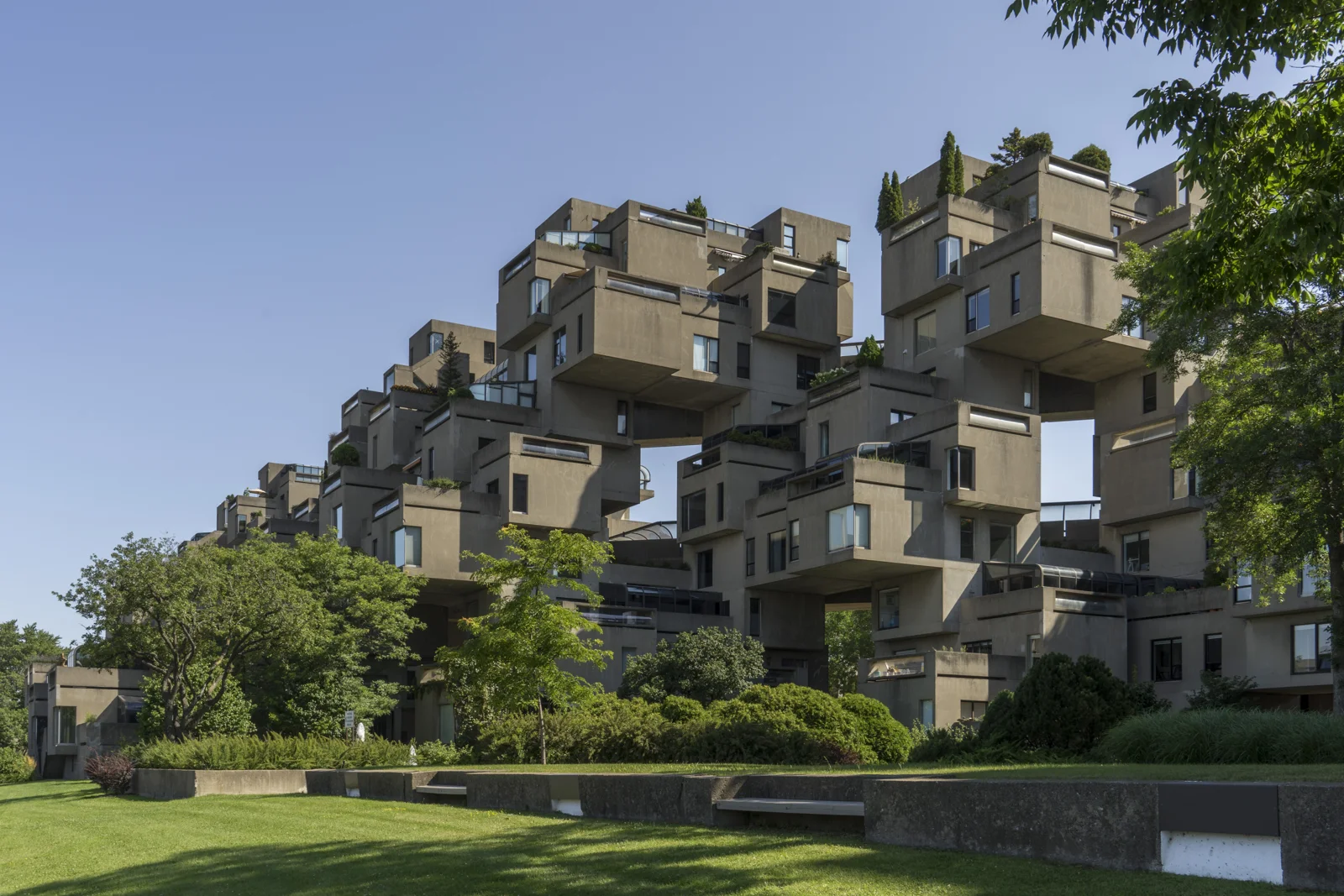
Habitat 67, Montréal, viewed from the southwest in August 2017.Thomas Ledl · CC BY-SA 4.0 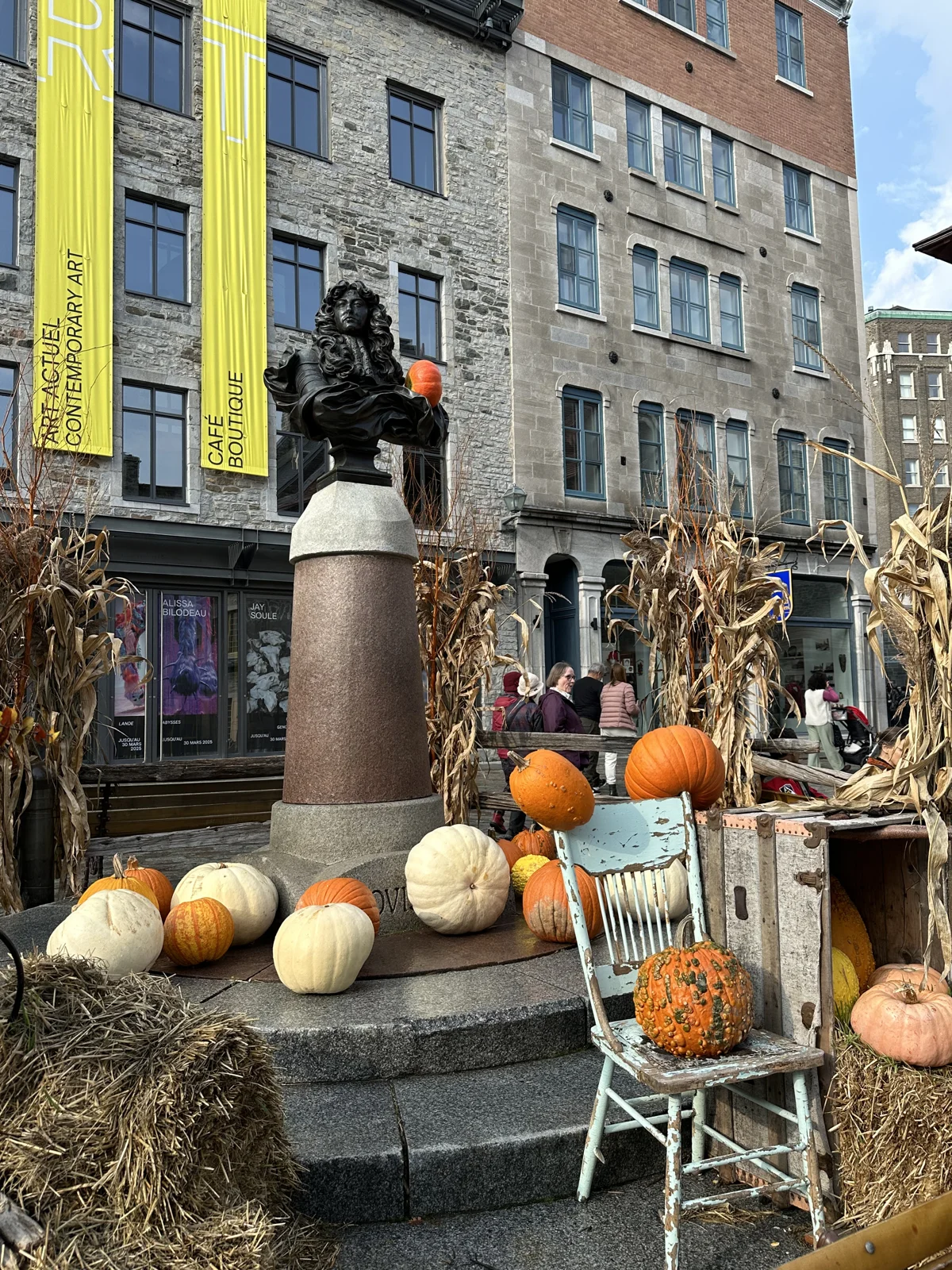
Stone-fronted buildings in Old Québec, photographed in October 2024.Yamen · CC BY-SA 4.0